Buying a home is one of the biggest financial decisions you'll ever make. Whether you're purchasing your first condo, upgrading to a larger family home, or investing in real estate, it's easy to get caught up in beautiful kitchens, modern finishes, and great neighbourhoods. But what truly matters is what's behind the walls, beneath the floors, and above the ceiling.
A professional home inspection gives buyers a clear picture of a property's condition before the sale is finalized. It can uncover hidden issues that aren't visible during an open house and help you avoid expensive surprises after moving in.
While no home is perfect, knowing what to expect allows you to negotiate repairs, budget for future maintenance, or decide whether the property is the right fit.
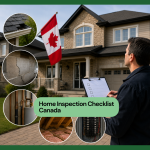
This comprehensive home inspection checklist is designed specifically for Canadian buyers and highlights the most important areas to evaluate before making one of life's biggest investments.
Why Is a Home Inspection Important?
A home inspection is a detailed visual assessment of a property's major systems and structural components. It helps buyers understand the home's current condition and identify existing or potential problems.
An inspection can reveal issues such as:
- Roof damage
- Foundation cracks
- Plumbing leaks
- Electrical safety concerns
- Poor insulation
- Water damage
- HVAC system problems
- Pest infestations
Many of these issues may not be noticeable during a regular viewing but could cost thousands of dollars to repair later.
Exterior Home Inspection Checklist
The outside of the property is your first line of defence against Canada's changing weather. Snow, rain, ice, and freezing temperatures can cause significant wear over time.
1. Roof Condition
The roof protects the entire home, making it one of the most critical areas to inspect.
Check for:
- Missing or damaged shingles
- Sagging rooflines
- Moss or algae growth
- Loose flashing around chimneys and vents
- Signs of previous repairs
- Water stains in the attic
If the roof is nearing the end of its lifespan, replacement costs should be factored into your budget.
2. Gutters and Downspouts
Proper drainage protects your home's foundation.
Look for:
- Clogged gutters
- Loose or detached sections
- Rust or corrosion
- Water overflowing during rain
- Downspouts directing water away from the foundation
Poor drainage can eventually lead to basement leaks and foundation damage.
3. Foundation
Foundation repairs are among the most expensive home repairs in Canada.
Inspect for:
- Large cracks
- Uneven settlement
- Bowing walls
- Water penetration
- Damp basement areas
Hairline cracks are often normal, but wider or expanding cracks should be evaluated further.
4. Exterior Walls
Walk around the property and check the siding, brick, or stucco.
Watch for:
- Cracked bricks
- Loose siding
- Peeling paint
- Rotting wood
- Gaps around windows and doors
These issues may allow moisture into the home, leading to mould or structural damage.
5. Driveway, Walkways and Grading
The ground should slope away from the home to prevent water from collecting around the foundation.
Also inspect:
- Uneven concrete
- Large cracks
- Trip hazards
- Drainage patterns
Read More: Home Maintenance Checklist
Interior Inspection Checklist
Once inside, pay attention to more than just finishes and décor.
Walls and Ceilings
Look for:
- Water stains
- Fresh paint covering repairs
- Cracks larger than a few millimetres
- Mould spots
- Uneven ceilings
Freshly painted patches may indicate previous water damage.
Floors
Walk through every room carefully.
Notice if floors:
- Squeak excessively
- Feel uneven
- Have soft spots
- Show signs of water damage
Uneven flooring can sometimes indicate structural movement.
Doors and Windows
Every door and window should open and close smoothly.
Check:
- Broken seals
- Condensation between window panes
- Drafts
- Damaged weather stripping
- Locks and latches
Energy-efficient windows can significantly reduce heating costs during Canadian winters.
Kitchen Inspection
The kitchen contains several expensive appliances and plumbing fixtures.
Inspect:
- Cabinets for water damage
- Countertops for cracks
- Sink drainage
- Faucet leaks
- Dishwasher operation
- Range hood ventilation
- Electrical outlets
- Appliance condition
Don't hesitate to test every faucet and appliance during the inspection.
Bathroom Inspection
Bathrooms often reveal plumbing issues first.
Check:
- Water pressure
- Slow drains
- Loose toilets
- Leaking fixtures
- Missing grout
- Damaged caulking
- Signs of mould
- Proper exhaust fan operation
Pay close attention to ceilings below upper-floor bathrooms, as stains may indicate hidden leaks.
Plumbing System
A home's plumbing system affects comfort and long-term maintenance costs.
Ask the inspector to examine:
- Water heater age
- Visible pipes
- Water shut-off valve
- Drainage
- Water pressure
- Signs of corrosion
- Pipe insulation
Older homes may still contain galvanized steel or lead plumbing, which could require replacement.
Electrical System
Electrical safety should never be overlooked.
Your inspection should include:
- Electrical panel condition
- Circuit breaker operation
- Proper grounding
- GFCI outlets in kitchens and bathrooms
- Exposed wiring
- Working light switches
- Smoke and carbon monoxide detectors
If the home still uses outdated electrical systems, upgrades may be recommended before moving in.
Heating and Cooling Systems
Canada's climate makes reliable heating essential.
Check:
- Furnace age
- Maintenance history
- Air filter condition
- Ductwork
- Air conditioning performance
- Thermostat functionality
- Vent airflow
Older furnaces may still function properly but could be less energy efficient than newer models.
Basement and Attic
These two areas often reveal hidden issues.
Basement
Inspect for:
- Damp smells
- Water stains
- Foundation cracks
- Mould
- Working sump pump
- Insulation quality
Attic
Check for:
- Proper ventilation
- Roof leaks
- Adequate insulation
- Pest activity
- Moisture damage
Poor attic ventilation can contribute to ice dams during winter, leading to roof damage.
Red Flags That Should Never Be Ignored
Some issues deserve immediate attention because they may affect the home's safety or value.
These include:
- Significant structural cracks
- Active water leaks
- Extensive mould growth
- Electrical hazards
- Foundation movement
- Roof failure
- Signs of termites or rodents
- Unsafe decks or staircases
Not every issue is a deal breaker, but understanding repair costs before closing is essential.
Questions to Ask During the Inspection
A home inspection isn't just about receiving a report. It's an opportunity to learn about the property directly from the inspector.
Consider asking:
- What repair should be prioritized?
- Which systems are nearing the end of their lifespan?
- Are there signs of previous water damage?
- What maintenance should be completed each year?
- Are any repairs urgent?
- What improvements would increase energy efficiency?
These insights can help you plan future maintenance and avoid unexpected expenses.
Final Thoughts
A home inspection provides far more than a list of defects—it gives you confidence in one of the largest purchases you'll ever make. Even newly built homes can have deficiencies, making an inspection a worthwhile investment regardless of the property's age.
Remember, the goal isn't to find a perfect home. Every property has maintenance needs. The real value lies in understanding those needs before you finalize the purchase.
If you're planning to buy a home in Canada, partnering with an experienced real estate professional can make the inspection process much smoother. At The Homess, we help buyers navigate every step of the home-buying journey—from finding the right property to reviewing inspection results and making informed decisions with confidence.
Frequently Asked Questions
How long does a home inspection take?
Most inspections take between 2 and 4 hours, depending on the size, age, and condition of the property.
Is a home inspection mandatory in Canada?
No. A home inspection is generally optional, but it is strongly recommended for most residential purchases.
Can a house fail a home inspection?
A home inspection is not a pass-or-fail test. The report identifies issues so buyers can make informed decisions.
Who pays for the home inspection?
In most Canadian real estate transactions, the buyer pays for the inspection.
Should I attend the home inspection?
Yes. Attending the inspection allows you to ask questions, understand maintenance requirements, and see potential issues firsthand.
Related posts:

Understand the difference between mortgage pre-approval and pre-qualification in Canada, how each works, and which one you need before buying a home.

Learn how Canada's new 2026 HST rebate differs from the old GST/HST rebate program and learn what the changes mean for homebuyers, investors, and pre-construction purchasers.
 Mortgage Pre-Approval vs Pre-Qualification in Canada: What's the Difference?
  Home Inspection Checklist for Canadian Buyers - What to Look for Before You Buy
  New HST Rebate vs Old GST/HST Rebate: What's Changed for Canadian Homebuyers in 2026?
  How Do You Estimate Rental Property Cash Flow in Canada?
  Foreclosed Property in Canada (2026 Guide): How to Buy & Find the Best Deals